Teeth Implants
A permanent solution for missing teeth—procedure, types, and what to expect
What Are Dental Implants?
Dental implants are artificial tooth roots made of biocompatible titanium that are surgically placed into the jawbone. Once the implant integrates with the bone—a process called osseointegration—it provides a stable foundation for a replacement tooth (crown), bridge, or denture. Unlike removable dentures, implants are permanent and function like natural teeth.
Implants have been used in dentistry for decades and have a high success rate when placed by experienced professionals. They offer a durable, natural-looking solution that can last a lifetime with proper care. In the United States, millions of implants are placed each year, making them one of the most common restorative dental procedures.
Components of a Dental Implant
- Implant post: The titanium screw placed in the jawbone
- Abutment: The connector that attaches the crown to the implant
- Crown: The visible tooth replacement, custom-made to match your natural teeth
Types of Dental Implants
Implants can replace a single tooth, multiple teeth, or an entire arch. The type recommended depends on how many teeth are missing and the condition of your jawbone.
Single Tooth Implant
When one tooth is missing, a single implant with a crown is the most natural replacement. It doesn't require altering adjacent teeth, unlike a traditional bridge. The implant preserves the jawbone and prevents neighboring teeth from shifting.
Multiple Teeth Implants
For several missing teeth in a row, an implant-supported bridge may be used. Typically, two implants support a bridge of three or four teeth, reducing the number of implants needed. This option is more stable than a removable partial denture.
Full Arch (All-on-4)
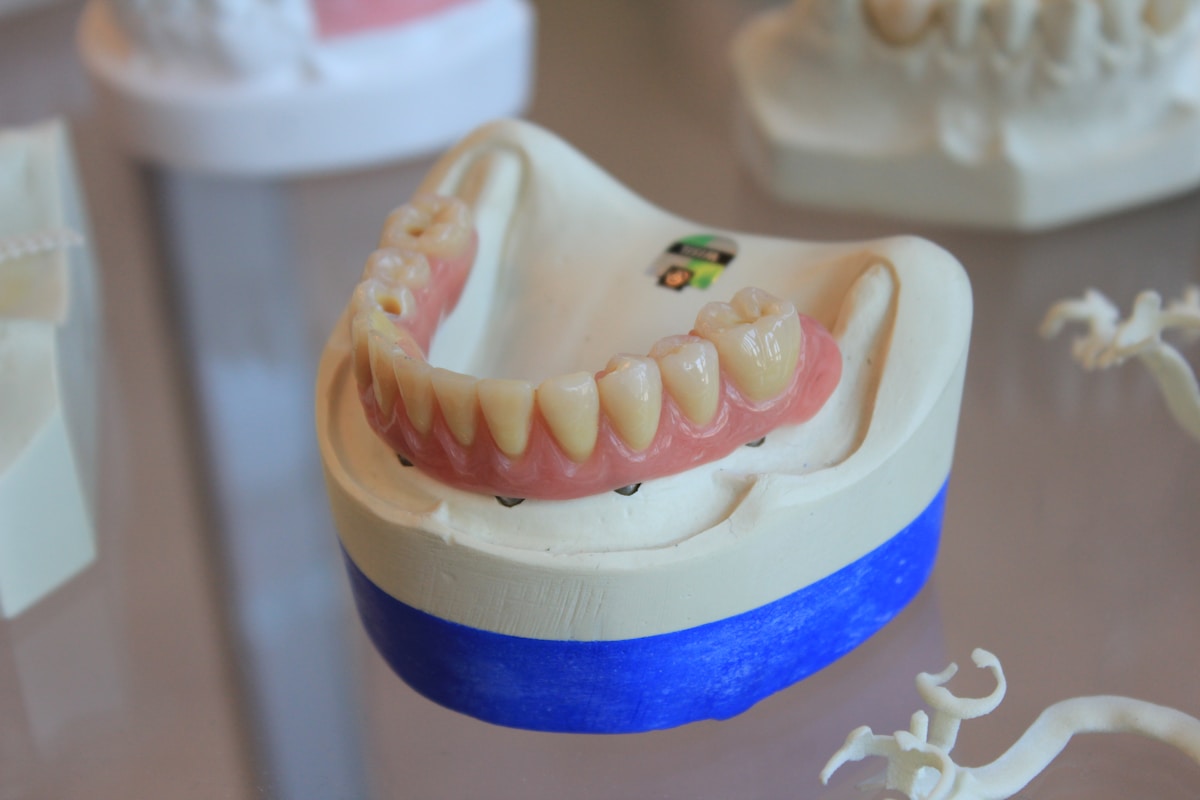
For patients missing all teeth in an arch, the All-on-4 technique uses four strategically placed implants to support a full set of replacement teeth. This approach often avoids the need for bone grafting and allows for same-day or same-week placement of a temporary prosthesis. The final restoration is typically placed after healing.
The Implant Procedure: Step by Step
The dental implant process typically occurs in several stages over a few months. Understanding each step can help you prepare and know what to expect.
1. Consultation and Planning
Your dentist or oral surgeon will examine your mouth, review your medical history, and take X-rays or 3D scans (CBCT) to assess bone quality and quantity. They will determine if you are a candidate and create a treatment plan. Some patients may need bone grafting first if the jawbone has deteriorated.
2. Implant Placement
The implant post is placed into the jawbone under local anesthesia (sedation may be available). The procedure usually takes one to two hours. The gum is closed over the implant, or a healing cap is placed. You may have a temporary restoration for aesthetics during healing.
3. Healing (Osseointegration)
Over the next three to six months, the implant fuses with the jawbone. This creates a strong foundation. During this time, you'll follow a soft diet and avoid putting pressure on the implant site. Follow-up visits ensure healing is progressing well.
4. Abutment and Crown
Once healed, a minor procedure places the abutment. Impressions are taken for the custom crown. When the crown is ready, it is attached to the abutment. The result is a fully functional, natural-looking tooth.
Candidacy for Dental Implants
Most adults in good general health are candidates for dental implants. Adequate bone density and volume are important—if bone has been lost, bone grafting may be possible to build it up. Healthy gums are also essential; gum disease must be treated before implant placement.
Certain conditions may affect candidacy or healing: uncontrolled diabetes, heavy smoking, radiation therapy to the jaw, and some medications. Your dentist will evaluate your individual situation. Age alone is not a barrier; many older adults successfully receive implants.
Benefits of Dental Implants
- Durability: With proper care, implants can last a lifetime
- Natural look and feel: Implants function and appear like real teeth
- Bone preservation: They stimulate the jawbone, preventing deterioration
- No impact on adjacent teeth: Unlike bridges, neighboring teeth are not altered
- Improved chewing and speech: Stable restorations improve function
- Confidence: A complete smile can boost self-esteem
Aftercare and Longevity
Caring for dental implants is similar to caring for natural teeth. Brush twice daily, floss daily, and visit your dentist for regular checkups and cleanings. Avoid using implants to open packages or bite hard objects. If you grind your teeth, a night guard may be recommended to protect the restoration.
Implants can develop complications such as peri-implantitis (inflammation around the implant) if oral hygiene is neglected. Regular professional cleanings help prevent this. With good care, the vast majority of implants remain successful for decades.