Oral Hygiene
Daily habits and professional care for a healthy smile
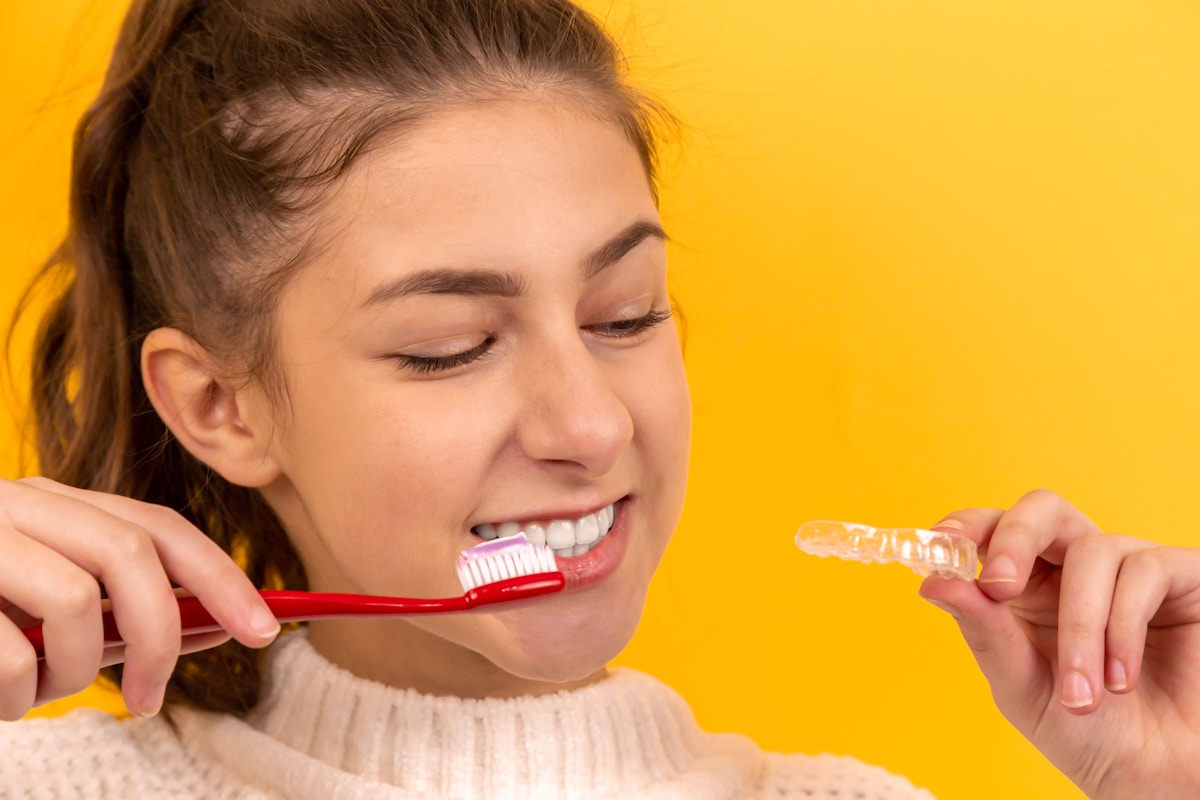
Brushing: Technique and Frequency
The American Dental Association recommends brushing your teeth twice a day for two minutes each time—once in the morning and once before bed. Use a soft-bristled toothbrush that fits your mouth comfortably. Replace your toothbrush every three to four months, or sooner if bristles are frayed.
Hold your brush at a 45-degree angle to the gums and use short, gentle strokes. Brush the outer surfaces, inner surfaces, and chewing surfaces of all teeth. Don't forget your tongue—bacteria on the tongue contribute to bad breath. Use a fluoride toothpaste approved by the ADA to help prevent cavities and strengthen enamel.
Electric vs. Manual Toothbrushes
Both can be effective when used correctly. Electric toothbrushes with oscillating or sonic technology may make it easier to brush for the full two minutes and can help those with limited dexterity. Some studies suggest electric brushes may remove slightly more plaque. The key is consistency and technique—choose the option you'll use faithfully.
Flossing: Why It Matters
Brushing alone cleans only about 60% of tooth surfaces. Flossing removes plaque and food particles from between teeth and under the gumline—areas your toothbrush can't reach. Skipping flossing leaves about 40% of your tooth surfaces uncleaned, increasing the risk of cavities and gum disease.
Floss at least once daily, ideally before bedtime. Use about 18 inches of floss, winding most around your middle fingers. Gently guide the floss between teeth using a C-shape against each tooth, sliding it up and down. Don't snap the floss, which can injure gums. Use a fresh section of floss for each tooth.
Alternatives to Traditional Floss
- Water flossers: Use a stream of water to clean between teeth and along the gumline. Helpful for braces, implants, and bridges
- Interdental brushes: Small brushes that fit between teeth; good for larger gaps
- Floss picks: Convenient for on-the-go; may be easier for some to use
Mouthwash: Types and When to Use
Mouthwash is not a substitute for brushing and flossing, but it can be a helpful addition to your routine. Cosmetic mouthwashes temporarily mask bad breath. Therapeutic mouthwashes contain active ingredients that help reduce plaque, gingivitis, and cavities.
Fluoride mouth rinses can strengthen enamel and help prevent decay, especially for those at high cavity risk. Antibacterial mouthwashes containing cetylpyridinium chloride or essential oils can reduce bacteria that cause gum disease. Use mouthwash after brushing and flossing, and avoid eating or drinking for 30 minutes afterward for maximum benefit. Not all mouthwashes are suitable for children—check the label.
Children's Dental Care
The American Academy of Pediatric Dentistry recommends that a child's first dental visit occur within six months of the first tooth erupting, or by age one. Early visits help children become comfortable with the dentist and allow the dentist to provide guidance on care and identify any issues early.
For infants, wipe gums with a clean, damp cloth after feedings. Once the first tooth appears, brush with a rice-sized amount of fluoride toothpaste. For children ages 3 to 6, use a pea-sized amount. Parents should supervise brushing until children can effectively brush on their own—usually around age 7 or 8. Flossing should begin when two teeth touch.
Tips for Kids' Oral Health
- Make brushing fun with songs, timers, or reward charts
- Choose child-sized brushes with soft bristles
- Limit sugary snacks and drinks, especially between meals
- Consider dental sealants when molars come in (around ages 6 and 12)
- Use fluoride varnish as recommended by your dentist
Professional Cleanings
Even with excellent home care, professional cleanings are essential. Dental hygienists use special tools to remove tartar (hardened plaque) that cannot be removed by brushing and flossing alone. They also polish teeth to remove surface stains and smooth the tooth surface, making it harder for plaque to adhere.
A typical cleaning includes scaling (removing tartar above and below the gumline), polishing, and sometimes fluoride treatment. The dentist will then examine your teeth and gums, review X-rays if taken, and discuss any findings. Most people benefit from cleanings every six months, though some may need them more frequently based on their risk of gum disease or cavities.
What to Expect During a Cleaning
- Review of your health history and any concerns
- Scaling to remove tartar buildup
- Polishing with a gritty paste to remove stains
- Flossing to remove any remaining debris
- Fluoride treatment (optional, based on need)
- Examination by the dentist