Dental Health
Understanding and maintaining your oral health for a lifetime of healthy smiles
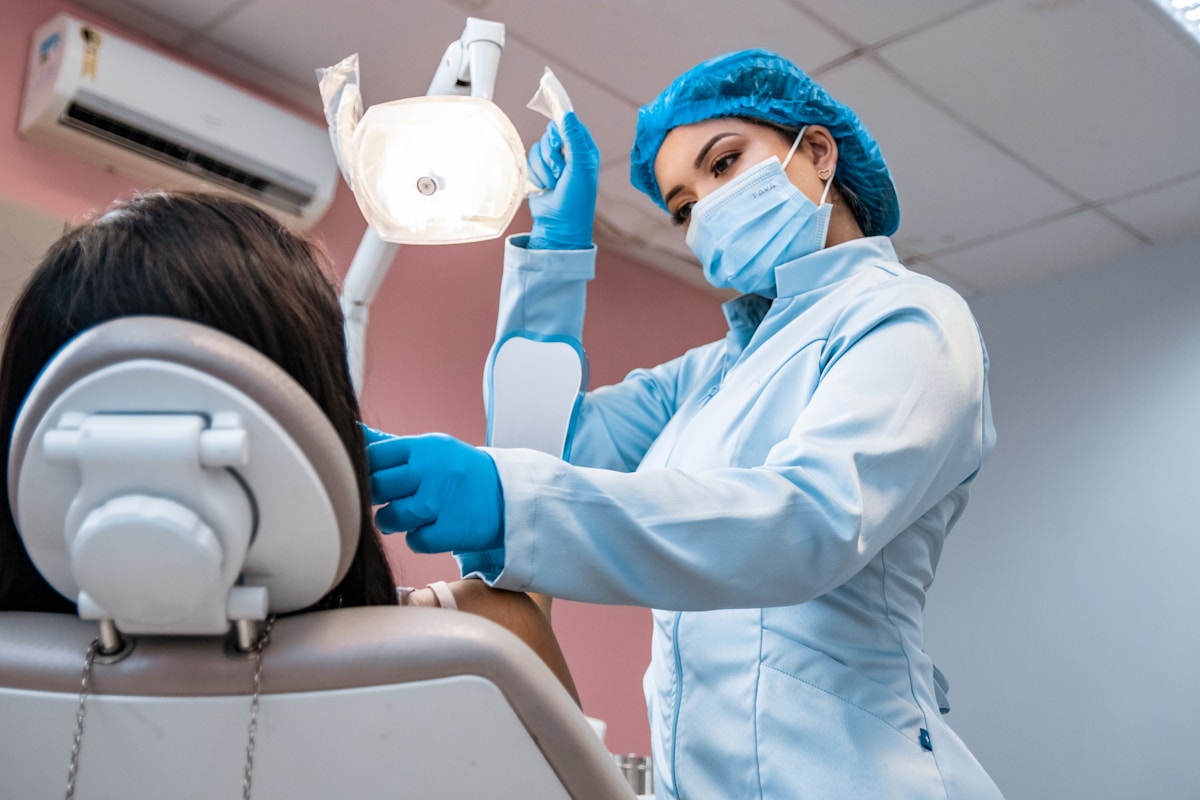
The Importance of Regular Dental Checkups
The American Dental Association recommends visiting your dentist at least twice a year for routine checkups and cleanings. These visits are essential for maintaining good oral health and catching potential issues early. During a typical checkup, your dentist will examine your teeth, gums, and mouth for signs of decay, gum disease, oral cancer, and other conditions. X-rays may be taken periodically to detect problems not visible during a visual examination.
In the United States, many dental insurance plans cover two preventive visits per year at little or no cost. Even without insurance, the cost of preventive care is far less than treating advanced dental problems. Regular visits also allow your dental team to provide personalized advice based on your specific needs and risk factors.
What Happens During a Typical Visit
- Review of your medical and dental history
- Visual examination of teeth, gums, and soft tissues
- Professional cleaning (scaling and polishing) to remove plaque and tartar
- X-rays when needed to check for decay between teeth and bone health
- Discussion of findings and recommendations for home care
Diet and Nutrition for Healthy Teeth
What you eat directly affects your oral health. A balanced diet rich in vitamins and minerals supports strong teeth and healthy gums. Calcium and vitamin D are particularly important for tooth structure and bone health. Dairy products, leafy greens, almonds, and fortified foods are excellent sources. Phosphorus, found in fish, eggs, and lean meat, also helps strengthen tooth enamel.
Foods to limit or avoid include sugary snacks and beverages, which feed the bacteria that cause cavities. Sticky foods like candy and dried fruit can cling to teeth and prolong acid exposure. Acidic foods and drinks, including citrus and soda, can erode enamel over time. When you do consume these, rinsing with water afterward can help minimize damage.
Key Nutrients for Oral Health
- Calcium: Builds strong teeth and bones—dairy, tofu, leafy greens
- Vitamin D: Helps absorb calcium—sunlight, fatty fish, fortified milk
- Fluoride: Strengthens enamel—fluoridated water, toothpaste
- Phosphorus: Protects and rebuilds enamel—fish, eggs, nuts
- Vitamin C: Supports gum health—citrus, berries, broccoli
Warning Signs of Dental Problems
Recognizing early signs of dental issues can help you seek treatment before problems worsen. Persistent tooth sensitivity to hot, cold, or sweet foods may indicate enamel wear or decay. Bleeding gums when brushing or flossing often signals gingivitis, the early stage of gum disease. Persistent bad breath that doesn't improve with oral hygiene can be a sign of gum disease, dry mouth, or other conditions.
Pain when chewing, swelling in the face or gums, loose teeth, and receding gums are more serious signs that warrant prompt dental care. Sores that don't heal within two weeks should be evaluated for oral cancer. Don't wait for your next scheduled appointment—contact your dentist if you experience any of these symptoms.
When to See a Dentist Sooner
- Toothache or persistent sensitivity
- Bleeding or swollen gums
- Mouth sores that don't heal
- Difficulty chewing or swallowing
- Loose or shifting teeth
- Jaw pain or clicking
Preventive Care Options
Beyond daily brushing and flossing, several preventive treatments can protect your teeth. Dental sealants are thin plastic coatings applied to the chewing surfaces of molars to prevent cavities. They are especially beneficial for children and teenagers but can help adults too. Fluoride treatments, applied as a gel, foam, or varnish, strengthen enamel and can reverse early decay.
Dental X-rays are used to detect cavities between teeth, check bone levels, and identify other issues. The frequency depends on your age, risk level, and dental history. Digital X-rays use minimal radiation and are considered very safe. Your dentist will recommend a schedule appropriate for your needs.
Oral Health and Overall Health
Research continues to reveal connections between oral health and systemic conditions. Gum disease has been linked to heart disease, stroke, and diabetes. Bacteria from infected gums can enter the bloodstream and contribute to inflammation elsewhere in the body. Pregnant women with gum disease may have a higher risk of preterm birth. Maintaining good oral health is an important part of your overall wellness.
Conditions like diabetes can make you more susceptible to gum disease, and dry mouth—a common side effect of many medications—increases cavity risk. Be sure to inform your dentist about any health conditions and medications you take so they can tailor your care accordingly.